
Wisdom teeth removal has become a rite of passage for American teenagers. Even the name “wisdom teeth” has connotations of the coming of age. Wisdom teeth, clinically known as third molars, have been bestowed this moniker based on the age at which they first begin to appear. The teenage years between ages 13 and 21, historically called the “Age of Wisdom”, is the period during which the third molars begin to erupt into the dental arch.
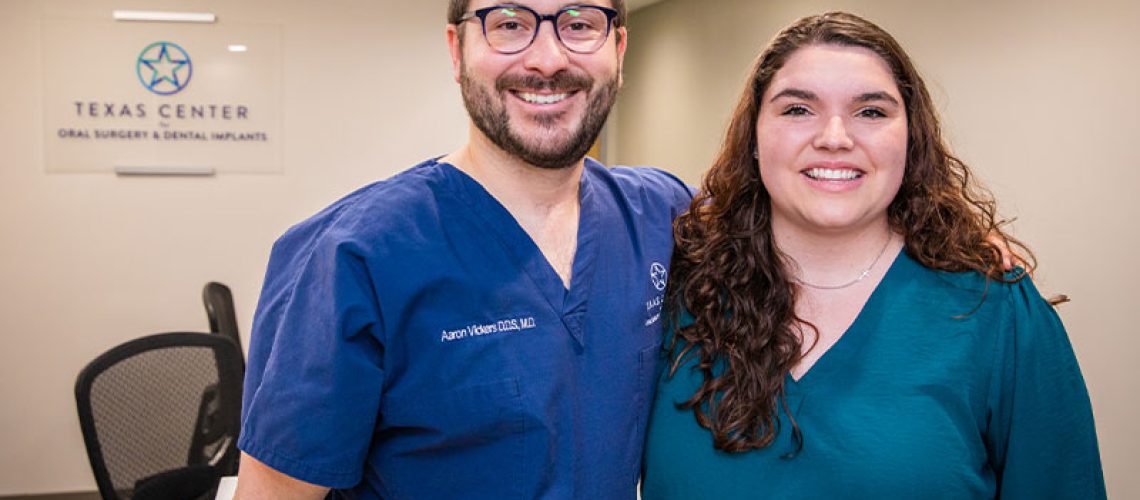
Wisdom teeth removal is often considered a rite of passage because these third molars typically emerge between the ages of 13 and 21, a period historically known as the 'Age of Wisdom.' Texas Center for Oral Surgery & Dental Implants explains that removal is frequently recommended as the human jaw often lacks sufficient space for these teeth. This lack of space can lead to malposition, impaction, and increased susceptibility to decay and gum disease, which can spread to adjacent teeth.
A dentist or oral surgeon may prescribe the removal of wisdom teeth and impacted wisdom teeth based on signs and symptoms of trouble. The human jaw typically cannot accommodate this third set of molars and as they attempt to grow into the small space, they become malpositioned and impacted. In the case that wisdom teeth come in normally, they are often positioned so far back in the jaw that they are difficult to keep clean. Erupted wisdom teeth which are situated very far back in the jaw are more susceptible to decay and gum disease. Gum disease around the third molars inevitably spreads to the second molars and sometimes even further forward. In the interest of preventive dentistry and to prevent serious problems with periodontal recession and gum disease, dentists often recommend the removal of erupted wisdom teeth.
Impacted wisdom teeth are routinely removed due to malposition of the teeth, damage or potential damage to the second molars, infection, cyst formation and other pathology often associated with impacted third molars. Orthodontists in particular often prescribe removal of the wisdom teeth in order to prevent orthodontic relapse due to the pressure of erupting wisdom teeth on the other teeth in the jaw.
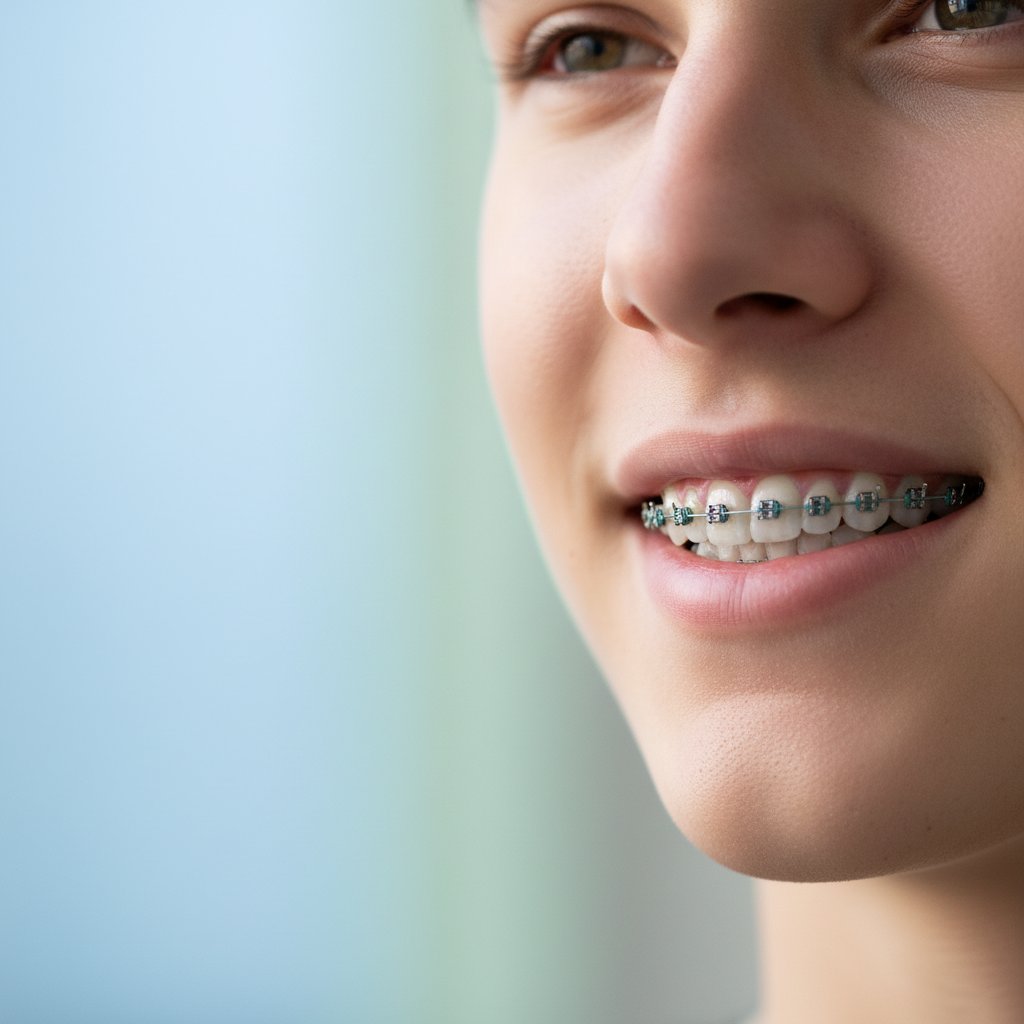
Parents across the country scramble to the oral surgeon’s office as the end of summer draws nearer in order to have their child’s wisdom teeth extracted before their retainers stop fitting. Motivated by the looming possibility of repeat orthodontic therapy, and the chronic infections often associated with wisdom teeth, parents schedule surgery for their child. The challenge is often in balancing the cost of wisdom teeth extraction with their teenager’s busy summer schedules and even busier school year schedules.
Somewhere between vacation, band camp, football practice and cheer clinics lies just few days of Redbox rentals, ice cream and X-Box that every teenager dreads. The stories and warnings from friends are fanciful and exaggerated, working each other up into a tizzy over this, the first surgery of many of their lives. Truthfully, more than 90% of them will come through with flying colors, easily transitioning back into their normal routine within a few days. While complications are unusual, about 10% may experience prolonged discomfort, swelling, mild bruising or even the dreaded dry socket. Symptoms of all of these, of course, are easily relieved in the office with a post- operative visit with the oral surgeon.
The poor, unappreciated parents have the toughest role in wisdom teeth removal. Consider the orchestration of events that a parent must pull off in order to indulge their child in this bittersweet rite of passage. Schedules and activities must be coordinated. If soccer practice is to be missed, then a signed, certified and notarized letter from the surgeon and the U.S. Surgeon General is often required in order to excuse the recovering patient from physical exertion during recovery. Other children in the household must be taken into consideration, as extracurricular activities do not stop for brother’s oral surgery. Special food must be purchased and prepared, and a day or two of work will often be missed.
Then there is the expense. Surgery of any kind is expensive. Most families have health insurance, but fewer and fewer have dental insurance these days. The families who do have dental insurance have seen their out of pocket expenses increase in recent years. How does a family without dental insurance save money on the extraction of wisdom teeth? There are a variety of ways to accomplish this, but I would like to tell you about our solution in particular.
As summer winds down to a close and that busy school year inches closer with every degree the temperature rises, there is one thing that parents can do to make it all easier to deal with. Schedule the summer wisdom teeth removal now and take advantage of the summer special on flat fee wisdom teeth removal. (Includes post-operative ice cream and a sports/band/cheer excuse letter).
Have a wonderful summer!