
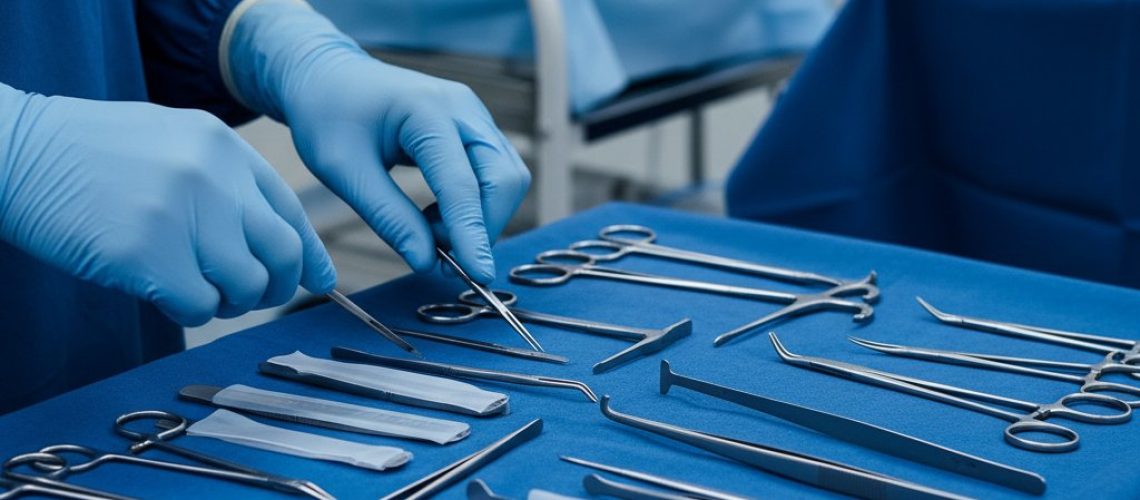
It Starts With Sterilization
In a surgical setting, the number one thing we do to prevent transmission of disease is to sterilize our instruments. Every surgical instrument from retractors to forceps and even dental handpieces (drills) are steam and pressure sterilized utilizing a hospital grade autoclave. First, the instruments are cleaned of any visible soil. After that, they are inspected to make sure they are functioning properly and intact before being placed in an individual wrapper. Once wrapped, the instruments are sterilized in the autoclave, destroying any living microorganisms including bacteria and viruses. The autoclave itself is tested on a regular basis to ensure that it meets the prescribed conditions for sterilization.
Disposable Instruments
Whenever possible, disposable instruments are utilized in order to further ensure sterility, patient safety and prevention of contamination. Disposable instruments include dental needles, suture needles, scalpel blades, drill burs, suction tips, irrigation tips and other instrumentation. These disposable instruments are for single patient use only, and come packaged in sterile wrappings.
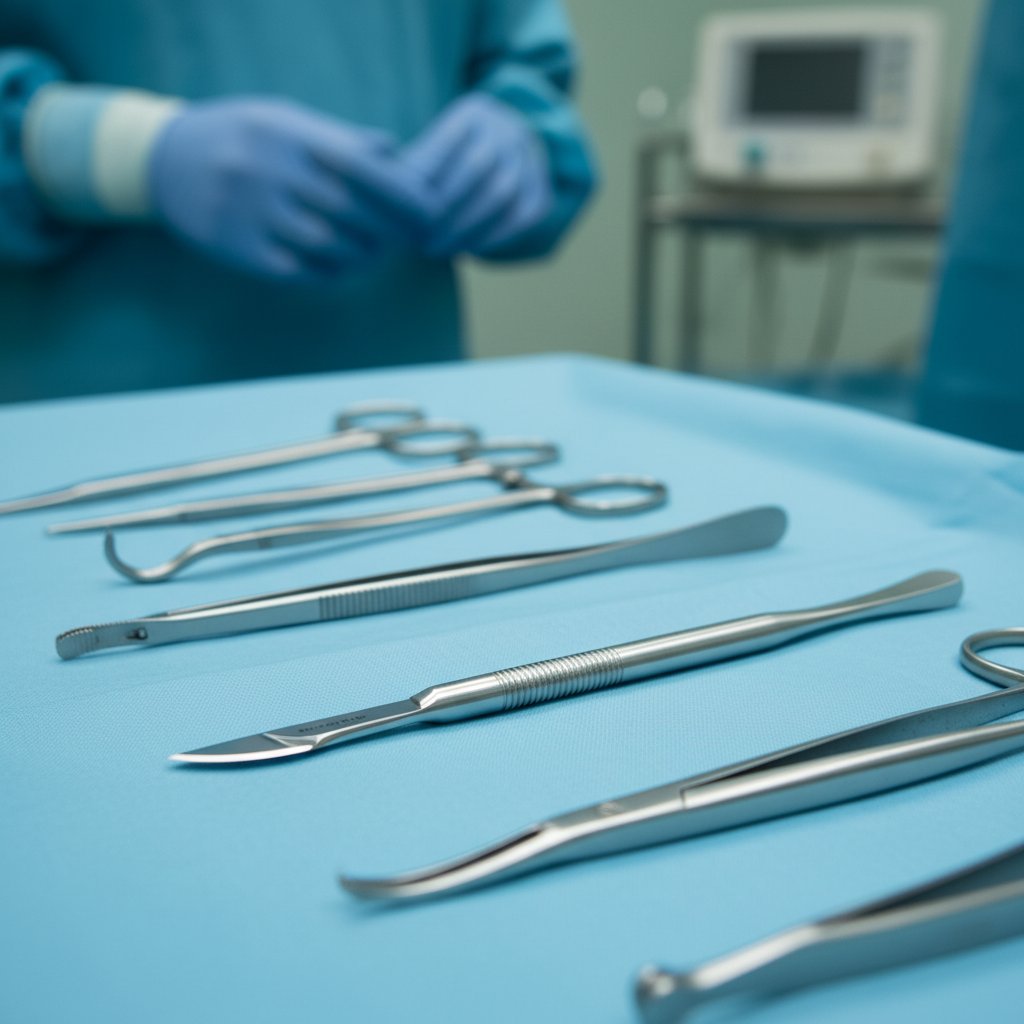
Prevention of Cross-Contamination
Sterile instruments are not enough to ensure safety of the patients in our practice. We take precautions to prevent cross-contamination (contamination of a sterile instrument by coming in contact with a non- sterile surface). In order to prevent cross contamination, the clinical team is well-trained in aseptic technique when handling contaminated items and while providing surgical care to a patient. The use of aseptic techniques when handling soiled instruments, working in the mouth and other activities helps ensure that blood and fluids are contained and not spread to surfaces or patients.
Disinfection and Barrier Usage
All hard surfaces in the operatories and clinical areas of the office are kept clean and disinfected utilizing an antiviral/antimicrobial surface disinfectant after each patient. All surfaces which are likely to be handled during patient care, such as the dental chair, light handles and other instruments are covered with a protective barrier or fitted with a disposable instrument to prevent exposure from patient to patient. In addition, all employees utilize disposable protective equipment such as gloves, masks and gowns to reduce the risk of cross contamination. Personal hygiene including proper handwashing techniques and other methods of personal hygiene help reduce the risk of exposure as well.
Careful Compliance With State And Federal Protocols
For more information about State and Federal infection control protocols and patient safety requirements, you can visit